
Criminal Court Cases in Greenlee County
Greenlee County does not keep every criminal case in one court. The County Attorney's court explanation places felonies in Superior Court and misdemeanors in Justice Court. Justice Court Precinct 1 serves the Clifton side of Greenlee County, while Precinct 2 serves Duncan. A felony may first produce an initial appearance or preliminary event in a justice court before the prosecutor files the Superior Court case.
Clifton Magistrate Court and Duncan Magistrate Court add a city-level layer. Their dockets may hold ordinance or local matters that do not read like county felony files. The clerk for the court of record is the custodian. That distinction matters because a statewide result is an index, not the signed and filed Greenlee County court record.
Greenlee County Court Case Split
A court name is the best routing clue. The Greenlee court system includes Superior Court, two justice precincts, and two magistrate courts. Starting at the wrong counter can miss filings or delay a copy request.
| Court | Criminal role | Contact |
|---|---|---|
| Superior Court | Felonies, appeals, and the county trial-court file | (928) 865-3872 |
| Justice Court Precinct 1 | Clifton-area misdemeanors, warrants, and early felony events | (928) 865-4312 |
| Justice Court Precinct 2 | Duncan-area misdemeanors and justice matters | (928) 359-2536 |
| Clifton Magistrate | Clifton city matters | (928) 865-4156 |
| Duncan Magistrate | Duncan town matters | Route through Duncan Town Hall or JP2 |
The Greenlee courts technology plan confirms this five-court local set. It helps explain why a single Greenlee County name search may not return every municipal or limited-jurisdiction event.
Greenlee County Case Record Searches
The Arizona Judicial Branch Public Access search is the broad first stop. It receives data from most Arizona courts, updates weekly, and warns that it is not the official record. Use the court and case number shown there to reach the right Greenlee County clerk.
- Open Public Access, complete the CAPTCHA, and choose Case Search.
- Search the available party or case information, then note the exact court name.
- Read the event list and distinguish a filed charge from an arrest allegation.
- For eligible Superior Court documents filed after July 1, 2010, check eAccess.
- Ask the court clerk for the official file or a certified copy when proof is required.
| Field label | Type | Required | Notes |
|---|---|---|---|
| CAPTCHA text | Text | Yes | Generated verification words must be completed first. |
| Case Search | Navigation | No | Main statewide index route. |
| Minute Entry Search | Navigation | No | Separate route for available minute entries. |
| Case Notification | Navigation | No | Notification option shown by the court site. |
| Document Search / eAccess | Link | No | Paid access to eligible Superior Court documents. |
Greenlee Court Index Gaps
Public Access is useful, but its weekly data feed can trail activity at the Greenlee County clerk. It also excludes or limits sealed cases, juvenile delinquency and incorrigibility matters, orders of protection, victim or witness data, mental-health matters, and probate information. A blank result does not prove that no record exists.
When the index does not identify a case, work from the court that likely handled the event. Call JP1 for a Clifton-area misdemeanor or preliminary matter and JP2 for a Duncan-area matter. Ask the magistrate court about city-level files. For a felony, contact the Superior Court clerk. Give the filing year, any known case number, and enough party information for staff to distinguish the file. Greenlee County copy and certification prices were not found in the reviewed official sources, so confirm the charge before ordering.
The Arizona eAccess FAQ describes remote document access, certified documents, registration, and purchase options. The source image below shows that official help channel.
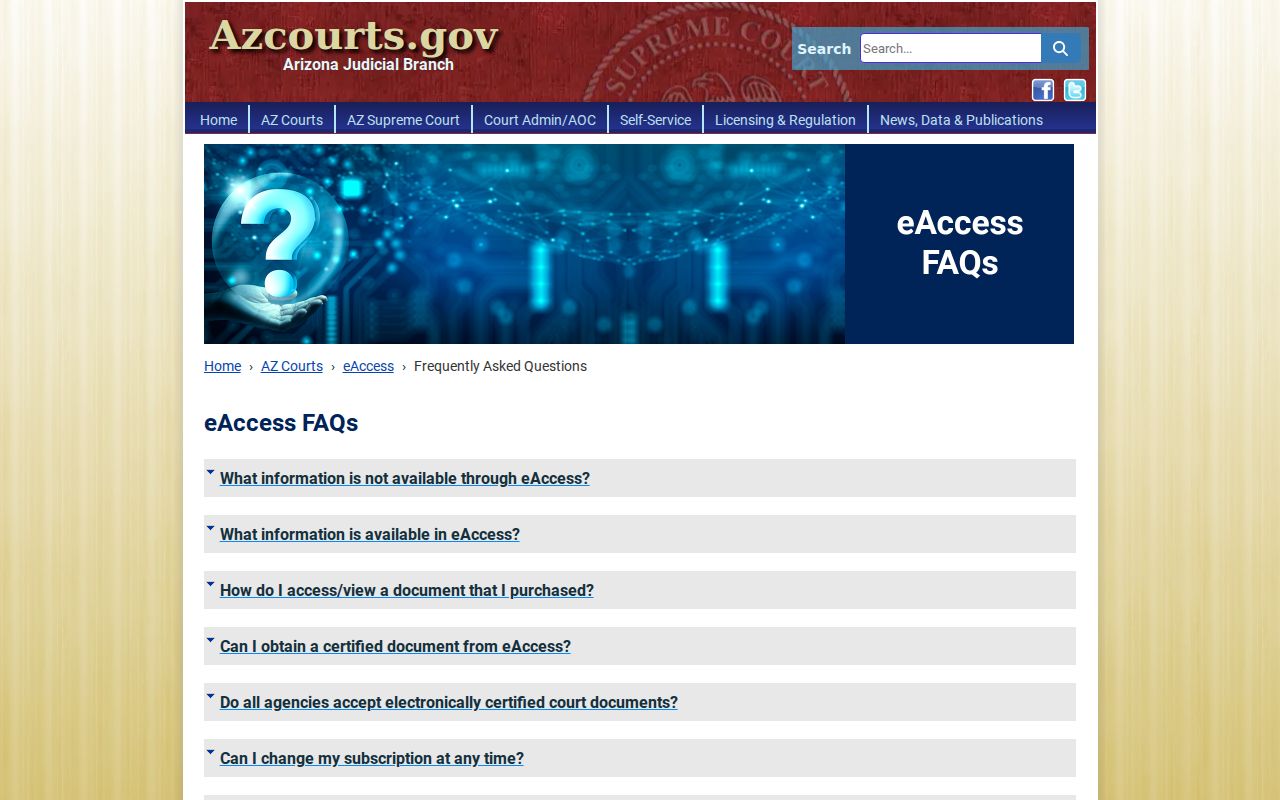
For Greenlee County, use eAccess as a document route, then confirm the case status and complete file with the court that entered the record.
What a Criminal Case File Contains
A Greenlee County case file is case-centered. It can show what the prosecutor filed, what happened at each hearing, and how the court resolved each count. It should not be confused with the sheriff's monthly jail log, which is a date-centered custody record and does not show a final disposition.
| Case Number & Court | Identifies the court of record and the file used for requests. |
|---|---|
| Charging Document | Complaint, information, indictment, or citation that states filed counts. |
| Docket Entries | Chronological filings, minute entries, orders, and court events. |
| Hearing Dates | Scheduled and completed appearances shown by the court. |
| Disposition & Judgment | Outcome by charge, such as dismissal, plea, verdict, or judgment. |
| Sentence & Conditions | Court-ordered jail, prison, probation, fine, restitution, or other terms. |
The Arizona Judicial Branch maintains an official Superior Court clerks list, including Greenlee County. Its related image provides a visual checkpoint for the proper clerk route.
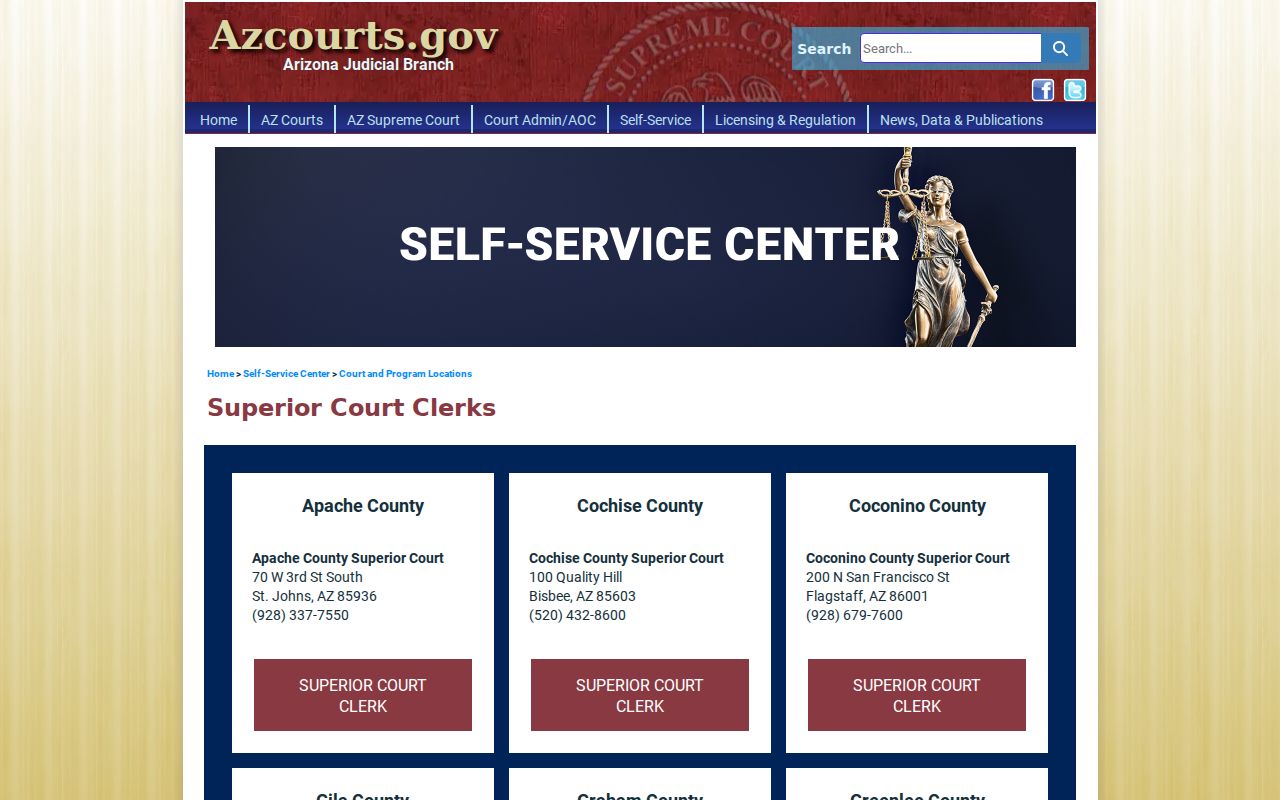
The Greenlee County listing points back to the clerk at 223 5th Street rather than a general county records counter.
Greenlee County Docket Terms
Short docket terms can change the meaning of a Greenlee County result. An ARS citation identifies an Arizona statute, but it is not itself a conviction. The filed charge and later disposition supply the legal status.
- Complaint
- A charging paper often used for a misdemeanor or an early felony matter.
- Information
- A prosecutor-filed charging document used in some felony cases.
- Arraignment
- The hearing at which the defendant enters a plea.
- Disposition
- The final or current outcome of a charge or case.
- Set aside
- Relief under Arizona law that is different from sealing and does not erase every record.
Note: Read each charge row separately because one Greenlee County case can contain dismissals, pleas, and other outcomes at the same time.
Greenlee jail logs also use short labels such as JP warrant, probation hold, DOC hold, and commitment. Those phrases describe custody or the source of authority. They are not final court rulings. Match the jail date and ARS reference to the later docket, then read the disposition field instead of treating the first charge text as the final result.
Criminal Case Stages in Greenlee County
After law enforcement refers a matter, the Greenlee County Attorney decides whether and what to charge. An arrested person must receive an initial appearance within 24 hours or be released. The judge confirms identity, advises the person of the charge and rights, addresses counsel, and sets release conditions. A felony then may pass through preliminary proceedings before Superior Court arraignment. Misdemeanor proceedings remain in the justice or magistrate court that has jurisdiction.
Case flow: Charges Filed › Arraignment › Pretrial › Plea or Trial › Disposition › Sentencing
Not every Greenlee County case reaches trial. A dismissal, plea, or other ruling can end one or more counts earlier. Appeals follow the trial-level judgment and create a separate layer of entries. The docket sequence is therefore more useful than any single status label.
Greenlee County Charging Decisions
Law enforcement sends reports to the Greenlee County Attorney. The prosecutor, not a victim or arresting officer, controls whether charges are filed or dismissed. The office considers the evidence and factors such as the alleged conduct, criminal history, pending matters, and future risk. That review explains why the booking charge may differ from the complaint or information.
A person following a Greenlee County arrest should move from the agency report to the court docket. If no case is filed yet, the jail entry may be the only public record of the event. Once a complaint, information, or indictment is filed, the court record becomes the sound source for filed counts and their outcome. Broader custody details belong in the Greenlee County Arrest Search.
Greenlee County Case Sealing
Arizona permits eligible arrest, conviction, and sentencing records to be sealed under A.R.S. § 13-911. The filing court depends on how the matter ended. It may be the court of conviction, the court where a dismissed case was filed, the court of initial appearance when no charge followed, or Superior Court in the county of arrest in a defined no-charge situation.
The Arizona petition instructions explain how to complete the request. The source image below marks the state court's official self-service route.
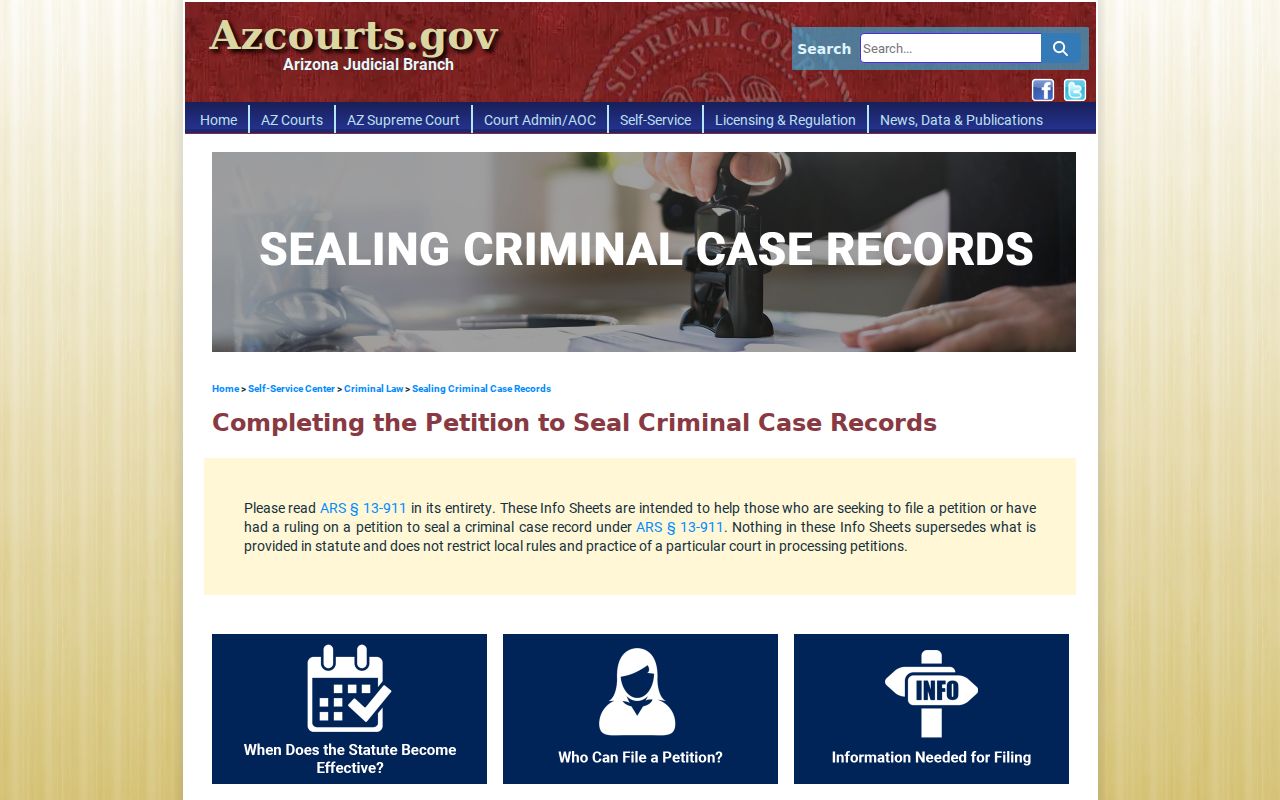
For a Greenlee County Superior Court matter, file through the clerk at 223 5th Street. A set-aside under A.R.S. § 13-905 is separate and does not require law enforcement to remove its record.
Federal Cases Beyond Greenlee County
Federal prosecutions do not appear in the Greenlee County court search. PACER supplies federal dockets and filings, while the U.S. District Court for the District of Arizona is the court source. Search results can create PACER charges even when no match appears.
The official PACER pricing page explains page billing and document caps. Its source image is shown below.
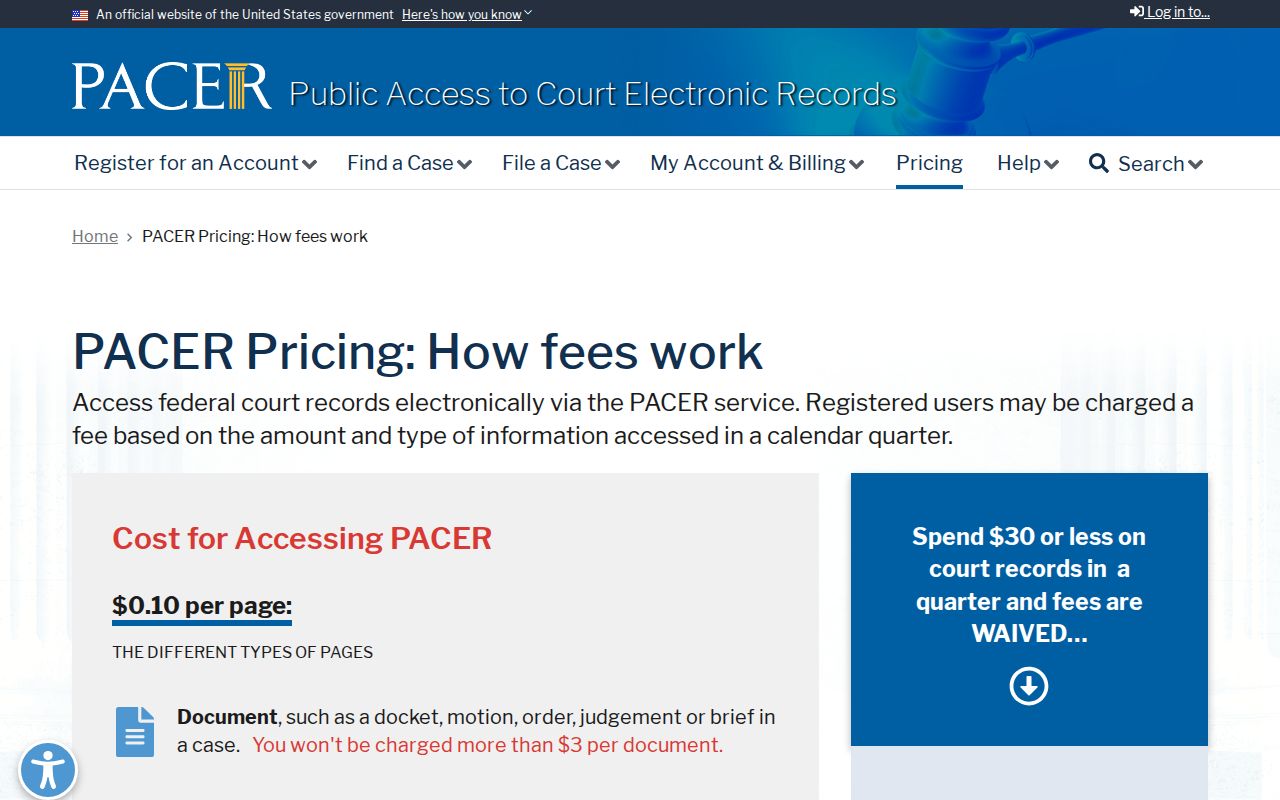
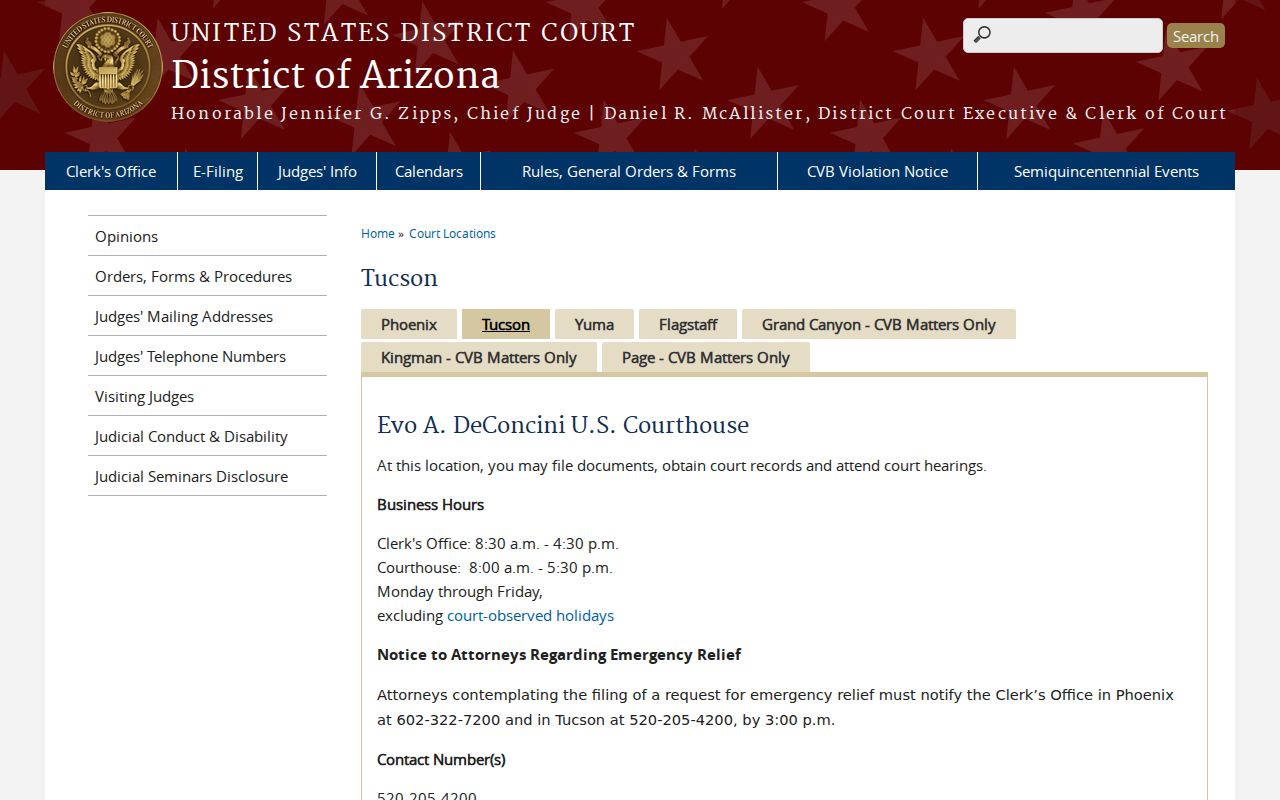
For southeast Arizona, the nearest main federal courthouse is in Tucson. The Tucson courthouse page provides the official records and filing location.
Keep the systems apart: PACER covers federal cases, while Greenlee County clerks and Arizona court tools cover state and local matters.
Access Rules for Case Records
Arizona Supreme Court Rule 123 governs access to judicial records. Arizona Public Records Law applies to sheriff and county executive records, but a court file must be requested through the court of record. Public Access is a finding tool. It is not a certified Greenlee County record and may be one weekly update behind the clerk.
Sealed files and protected data will not appear as ordinary public results. Juvenile matters, victim and witness data, orders of protection, mental-health records, and other confidential categories have additional limits. Contact the named Greenlee County clerk rather than trying to infer the result. Clerk copy and certification fees were not available in the reviewed county sources, so ask for the current cost before ordering.